
Getting that perfect crispy skin on salmon isn’t about fancy coatings or tricks. It’s all about technique and patience—letting the skin dry out, then cooking it just right so it turns that irresistible golden crackle without overcooking the tender flesh beneath.
I’ve spent years trying to master this, and honestly, the wait is worth it. There’s something satisfying about hearing that initial sizzle and seeing the skin puff up, crisp and shimmering. It’s a simple pleasure, but one that makes me feel like I’ve cracked a little secret in the kitchen.
This approach keeps things natural, relying on good timing and a hot pan. No flour, no breading—just pure salmon goodness with skin that’s crispy enough to crackle with each bite. It’s honest cooking, straightforward, and always a win.
Focusing on achieving perfectly crispy skin on salmon without the use of flour or breading, emphasizing technique and patience for a naturally crisp exterior.
The art of perfect crackle
- There’s a quiet thrill in hearing that first crackle of crispy skin—like a secret just revealed.
- I remember the first time I nailed this; it felt like a small victory, pure and simple.
- Cooking salmon this way always makes me nostalgic for weekend brunches with friends, laughter filling the kitchen.
- It’s oddly satisfying to see how a few careful steps turn a humble piece of fish into something special.
- Honestly, I get a little proud every time I manage to keep the flesh moist while crisping up the skin perfectly.
The story behind this recipe
- Crispy skin salmon always reminds me of my grandmother’s kitchen. She had this knack for making fish crackle like it was a secret weapon, and I’d watch her patiently dry the skin with a towel, whispering about the importance of patience and heat. That memory never left me, and I’ve spent years trying to replicate that perfect crackle without resorting to breading or flour. It’s a small act of respect for the fish and a lesson in simple technique that’s stayed with me.
- One day, I finally cracked it—the skin crisped up just right, shimmering with a golden hue, and the flesh underneath stayed tender and moist. Since then, I’ve kept this method close, especially on hectic weeknights when I want something satisfying but fuss-free. It’s funny how a little patience and a hot pan can turn humble salmon into something that feels almost celebratory, even if it’s just for myself.
- heading: The story behind this recipe
Crispy Skin Salmon Trivia
- Crispy skin salmon became popular in Japan during the 20th century, influenced by traditional techniques of drying and pan-frying fish.
- The technique of crisping fish skin without flour is believed to have originated from French cuisine, emphasizing natural flavors and textures.
- In Scandinavian cooking, crispy fish skin has long been a sign of skill, often served as a delicacy and a testament to good technique.
Ingredient breakdown
- Salmon fillet: I look for a fresh, vibrant pink hue—firm to the touch, with no dull patches. You want that bright, almost translucent flesh for the best flavor.
- Salmon skin: I prefer skin with a shiny, tight scale; it crisps up beautifully. If yours feels slimy, give it a quick rinse and pat dry thoroughly—dry skin is key.
- Salt: I use coarse sea salt generously to draw moisture from the skin, creating that crackly exterior. Don’t skimp—this step really makes a difference.
- Oil: I reach for a high-smoke-point oil like grapeseed or canola; it crisps the skin evenly without smoking. Skip the olive oil if you want less smoky aroma.
- Lemon: I like a fresh squeeze of lemon after cooking—brightens the rich fish and enhances that crispy, savory skin with a zing of brightness. You can skip if you prefer a subtler finish.
- Pepper: Freshly cracked black pepper adds a slight heat and depth. Sprinkle it just before serving to keep the aroma lively and vibrant.
- Herbs (optional): A sprinkle of dill or parsley can add a fresh herbal note. I like to keep it simple, letting the fish and crispy skin be the star.
Spotlight on key ingredients
Salmon:
- Salmon skin: It’s shiny and tight, almost like a protective armor that crisps up beautifully. If it feels slimy, give it a quick rinse and dry thoroughly—dry skin crisps better.
- Salmon flesh: Firm, vibrant pink, with an almost translucent quality when fresh. It reacts quickly to heat—overcooked, it loses that tender, juicy texture and turns dry.
Notes for ingredient swaps
- Salmon fillet: Wild salmon offers richer flavor and firmer flesh, but farmed salmon is more affordable and consistent in texture.
- Oil: Grape seed or canola oil have high smoke points and neutral flavors; olive oil can burn at high heat, so use sparingly or for finishing.
- Salt: Coarse sea salt creates a better crust; fine salt dissolves faster and can lead to over-salting if not careful.
- Lemon: Lime or yuzu can brighten the dish similarly, adding a different citrus twist that’s equally vibrant and fresh.
- Pepper: White pepper offers a milder heat and less visual contrast, ideal if you want a subtler peppery note.
- Herbs: Fresh dill or parsley add herbal brightness; dried herbs tend to lose their potency and should be used sparingly.
- Cooking vessel: Cast-iron pan holds heat well for crisp skin, but a non-stick pan is more forgiving if you’re worried about sticking or breaking the skin.
Equipment & Tools
- Non-stick or cast-iron skillet: Ensures even heat and crispy skin without sticking.
- Tongs: Helps flip the salmon gently without tearing the skin.
- Paper towels: Drys the skin thoroughly for optimal crisping.
- Spatula: Supports flipping and handling delicate fish.
- Plate: Resting the cooked salmon before serving.
Crispy Skin Salmon Guide
- Equipment & Tools: Use a non-stick or cast-iron skillet for even heat and crispiness. Tongs help flip without breaking the skin. A paper towel is essential for drying the skin thoroughly. Have a spatula ready for gentle flipping and a plate for resting.
- Pat the salmon dry with paper towels. Salt generously on the skin side. Set aside for 10 minutes to draw out moisture, which helps crisp the skin. Rinse quickly if needed and pat dry again.
- Heat your skillet over medium-high heat until very hot—about 200°C / 390°F. Add a small splash of oil, just enough to coat the bottom. Wait until it shimmers and starts to smoke slightly.
- Place the salmon skin-side down. Press gently with a spatula for 10 seconds to prevent curling. Cook undisturbed for 4-5 minutes, until the skin is deep golden and crispy. The flesh should be opaque about halfway up.
- Check the skin’s color and crackle. If it’s golden and has a firm crackly surface, it’s ready to flip. If not, give it another minute, but don’t burn the skin. If the skin sticks, loosen gently with the spatula.
- Flip the salmon carefully. Cook for another 2-3 minutes skin-side up, just enough to finish the flesh—aim for an internal temp of 50-52°C / 122-125°F. The flesh should be tender and moist.
- Transfer to a plate. Rest for 2 minutes to allow juices to settle. Finish with a squeeze of lemon or herbs if desired. Serve immediately for maximum crunch and freshness.
Rest the salmon for 2 minutes on a plate. Finish with a squeeze of lemon or fresh herbs. Serve immediately to enjoy the crispy skin at its best, crackling with each bite.
How to Know It’s Done
- Skin is deep golden and crackling when pressed gently.
- Flesh is opaque and just slightly translucent at the center.
- Internal temperature reaches 50-52°C / 122-125°F for perfect doneness.
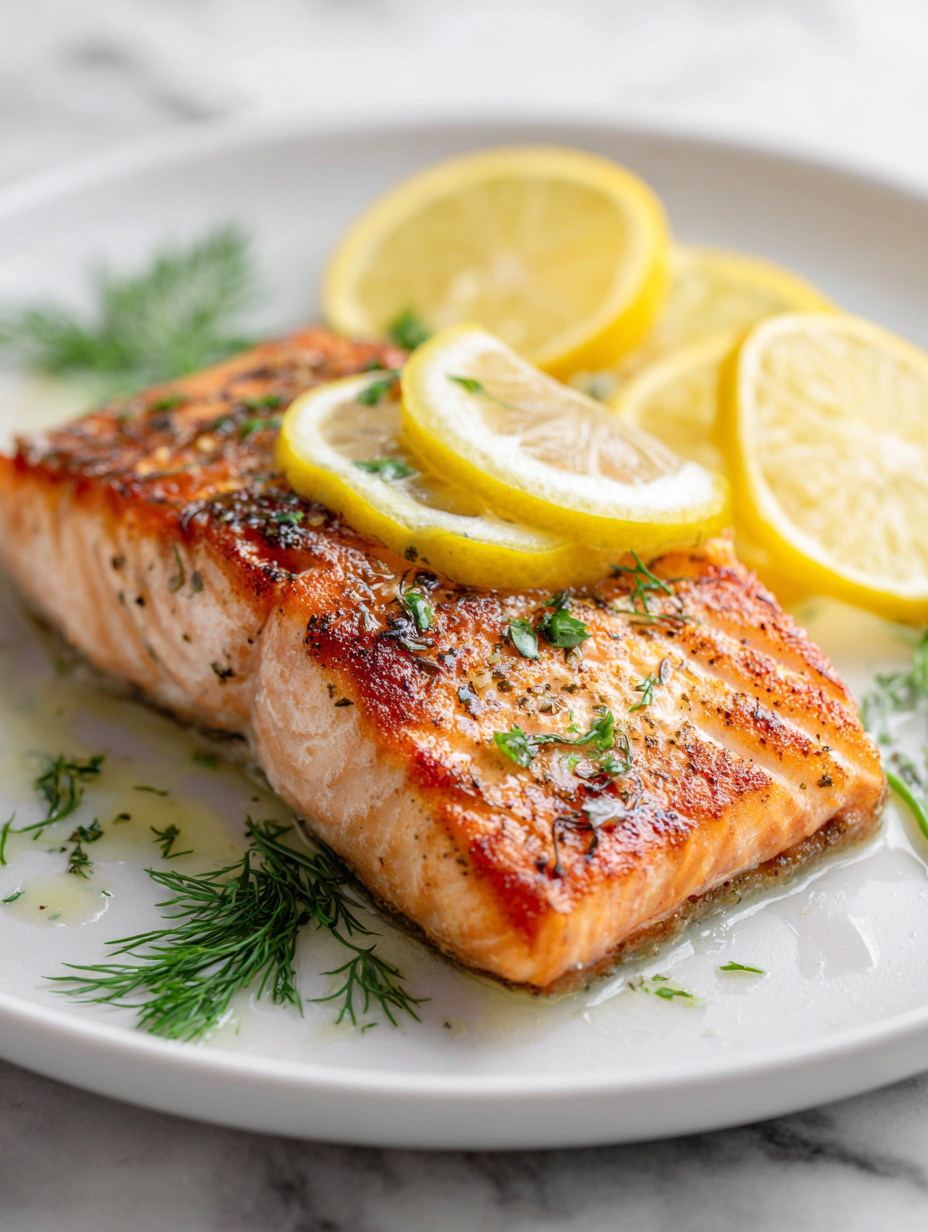
Crispy Skin Salmon
Ingredients
Equipment
Method
- Pat the salmon fillets dry thoroughly with paper towels, especially the skin, until no moisture remains. This step is crucial for achieving crisp skin.
- Sprinkle a generous layer of coarse sea salt evenly over the skin of each fillet, then set them aside on a plate for about 10 minutes. This helps draw out excess moisture and promotes crispness.
- Rinse the salt off quickly under cold water if desired, then pat the fillets dry once more to remove any residual moisture. The skin must be dry to crisp properly.
- Heat your skillet over medium-high heat until very hot, with a slight shimmer of oil just beginning to smoke. Swirl the oil to coat the bottom evenly.
- Carefully place the salmon fillets skin-side down into the hot pan, pressing gently with a spatula for about 10 seconds to prevent curling and ensure full contact.
- Let the salmon cook undisturbed for 4-5 minutes, listening for a lively sizzle and watching the skin turn a deep golden brown and crackle. The flesh should appear opaque about halfway up the sides.
- Check the skin; if it’s deep amber and crackling, carefully flip the fillets using tongs or a spatula. Cook the flesh side for another 2-3 minutes until just opaque and tender.
- Transfer the cooked salmon onto a plate and let it rest for about 2 minutes. Squeezing fresh lemon over the top just before serving adds brightness and enhances the crispy skin.
- Sprinkle with freshly cracked black pepper, then serve immediately to enjoy the satisfying crackle of the crispy skin with tender, moist flesh beneath.
Notes
Pro tips for crispy skin salmon
- Dry skin thoroughly: Use paper towels to pat the salmon skin completely dry—moisture is the enemy of crispiness.
- Start with a hot pan: Heat your skillet until just smoking before adding oil; this ensures an immediate sizzle and crackle.
- Press the fish down: Gently press the salmon skin for 10 seconds after placing in the pan to prevent curling and promote even crisping.
- Resist the urge to move: Let the skin crisp undisturbed for 4-5 minutes; patience here pays off with perfect crackle.
- Check for golden color: The skin should be deep amber and crackling before flipping—if it’s sticking, give it another minute, don’t force it.
- Finish with a gentle flip: Turn the salmon carefully, cooking the flesh just enough—about 2-3 minutes—until opaque and tender.
- Rest briefly: Let the cooked salmon sit for 2 minutes off heat; this helps juices settle and keeps the flesh moist.
Common mistakes and how to fix them
- FORGOT to dry skin thoroughly → Skin remains damp, preventing crispiness. Always pat dry with paper towels.
- DUMPED oil into cold pan → Cold oil causes uneven frying; heat pan first, then add oil just before cooking.
- OVER-TORCHED the skin → Burnt skin turns bitter; cook on medium-high, watch for golden color, not dark brown.
- FAILED to press fish down initially → Fish curls or sticks; press gently for 10 seconds to keep skin flat.
Quick fixes for crispy skin
- When skin sticks, splash a few drops of hot water—gently loosen with a spatula.
- If skin isn’t crispy enough, patch with a splash of oil and finish over medium heat.
- Splash some vinegar if skin appears dull—shimmer and crackle return instantly.
- When in doubt, rescue by flipping and crisping skin side down longer—5 seconds can help.
- Pan too cold? Swap with a hot skillet—your crackle will thank you.
Prep, store, and reheat tips
- Dry the salmon skin thoroughly with paper towels before refrigerating; this helps maintain crispness when cooked later.
- Wrap the fillet tightly in plastic wrap or place in an airtight container; store in the fridge for up to 24 hours to preserve freshness.
- For longer storage, freeze the salmon for up to 2 months; thaw overnight in the fridge before cooking for best texture.
- Reheat cooked salmon gently in a hot skillet for a minute or two, skin-side down, until the skin re-crisps and aroma returns with a slight crackle.
- Avoid reheating in the microwave as it can make the flesh rubbery and soften the crispy skin, losing that satisfying crunch.
Top questions about crispy skin salmon
1. Why is my salmon skin not crispy?
Use a paper towel to thoroughly dry the salmon skin; moisture is the enemy of crispiness. Pat it dry, especially just before cooking.
2. How do I get a crackling skin on salmon?
Start with a hot pan and enough oil to shimmer. Place the fish skin-side down and avoid moving it too soon.
3. Should I press down the salmon when cooking?
Press the fish gently into the pan for 10 seconds after laying it down. This prevents curling and promotes even crisping.
4. How long should I cook salmon for crispy skin?
Cook the salmon skin-side down undisturbed for about 4-5 minutes until deep golden and crackling. Flip carefully and finish for 2-3 minutes.
5. How do I know when the skin is crispy enough?
Check for a deep amber color and crackling sound, not sticking or burning. The flesh should be opaque but moist inside.
6. What oil is best for crispy salmon skin?
Use high-smoke-point oil like grapeseed or canola. Olive oil can burn and create bitter flavors at high heat.
7. Should I rest the salmon after cooking?
Let the cooked salmon rest for a couple of minutes. Finish with lemon juice or herbs for brightness before serving.
8. How hot should the pan be for crispy skin?
Ensure the pan is just smoking before adding oil and fish. Hot pan equals better crackle and less sticking.
9. Can I cook multiple salmon fillets at once?
Avoid overcrowding the pan; cook in batches if necessary. Too much fish lowers the temperature and softens the skin.
10. What if my salmon skin sticks to the pan?
If the skin sticks, splash a few drops of hot water and gently loosen with a spatula. Don’t force it or tear the skin.
Crispy skin salmon feels like a small act of rebellion—something so simple yet so satisfying. It’s a reminder that patience and attention to detail can turn a humble piece of fish into a feast for the senses.
In these busy times, this dish offers a moment of focus and quiet pride. The crackle of the skin, the tender flesh beneath—each bite is a reminder that good food is worth a little extra care.