
Chicken Supreme is one of those dishes that feels fancy but is actually pretty forgiving if you keep it simple. I love how the crispy skin crackles at the first bite, and the tender meat underneath stays juicy—nothing beats that contrast. It’s a weekend treat that you can make without fuss, just a few straightforward steps and honest ingredients.
What really makes this dish sing is how you can dress it up or down depending on your mood. I often keep it rustic with a squeeze of lemon and some herbs, but it’s just as cozy with a drizzle of creamy mushroom sauce. It’s the kind of dish that feels special enough for guests, but easy enough to throw together after a long day. That crispy skin and tender inside keep drawing me back to it, no matter how many times I make it.
Focusing on how the crispy skin and tender meat of Chicken Supreme can be achieved using a simple, no-fuss method that turns this classic dish into a Sunday comfort food with a slightly rustic, homey feel, perfect for cozy nights or casual gatherings.
Rediscovering Comfort in Crispy Skin
- Crispy skin has always been my guilty pleasure—nothing beats that crackle at the first bite.
- Making this dish reminds me of Sunday dinners at my grandma’s—simple, hearty, with a touch of nostalgia.
- There’s a quiet pride in pulling off perfectly tender meat without overcooking, especially when the skin is just right.
- I love how this dish feels like an indulgence, even though it’s easy to make after a busy day.
- Cooking chicken this way always makes me feel grounded—like I’ve brought a little bit of comfort to the table.
The story behind this recipe
- This Chicken Supreme recipe came from a night when I was desperately craving something crispy and comforting, but didn’t want to fuss too much. I remembered how my mom used to roast whole chickens with a simple garlic-herb rub, and how that crispy skin was always the highlight. I started experimenting, aiming for that same crackle and juicy interior without the mess of a big roast.
- Over the years, I’ve refined it into a dish that’s quick to assemble but feels like a Sunday treat. It’s become a go-to when I want something satisfying but not overly complicated—just honest ingredients and a bit of patience for that perfect crispy skin.
- heading: ‘The inspiration behind this dish’
Historical & Cultural Trivia
- Chicken Supreme is a classic French-inspired dish that dates back to the early 20th century, often featured in bistros and traditional kitchens.
- The term ‘Supreme’ originally referred to the highest quality cut or preparation, emphasizing the dish’s focus on tender meat and crispy skin.
- This dish gained popularity in post-war Europe as a celebration of simple, hearty yet elegant home cooking that could impress without fuss.
- In some regions, Chicken Supreme is served with a rich mushroom or cream sauce, a nod to its French culinary roots.
Ingredient breakdown: key components
- Chicken thighs: I love using bone-in, skin-on thighs for their rich flavor and juicy texture; the skin crisps beautifully, just like I want you to aim for. If you prefer leaner, try skinless breasts, but be mindful they can dry out faster.
- Salt and pepper: I season generously—don’t be shy. Proper seasoning is what makes the skin crackle and the meat sing, so give it a good sprinkle before searing.
- Herbs (thyme, rosemary): I like fresh herbs for their bright, aromatic punch. If you only have dried, use less—about half as much—to avoid overpowering the delicate chicken flavor.
- Garlic: I smash my cloves to release that fragrant oil, which infuses the skin and meat. If you’re not a garlic fan, a light sprinkle of garlic powder works, but fresh really makes a difference.
- Butter: I finish the chicken with a knob of butter in the pan—this adds richness and helps crisp the skin even more. Swap with olive oil if you want a lighter touch, but you’ll miss that extra flavor layer.
- Lemon: I zest and squeeze fresh lemon at the end for a bright, tangy lift that cuts through the richness. Skip it if you prefer a milder profile, but I recommend trying it at least once.
- Cooking fat (oil or clarified butter): I use a neutral oil for initial searing—something with a high smoke point like vegetable or canola oil. If you want extra flavor, a splash of olive oil works, but keep an eye on the smoke point to avoid burning.
Spotlight on key ingredients
Chicken thighs:
- I love bone-in, skin-on thighs for their juicy, flavorful meat; the skin crisps beautifully—crackly and golden, like a little savory shell. If you prefer leaner, skinless breasts work, but they tend to dry out faster, so watch the cooking time.
- Herbs (thyme, rosemary): I prefer fresh herbs—they release a fragrant aroma and a bright, herbaceous note that lifts the dish. Dried herbs work, but use half as much to avoid overpowering the delicate chicken flavor.
Lemon:
- I zest and squeeze fresh lemon right before serving—its bright, citrusy tang enhances the richness and adds a fresh, zingy contrast. Skip if you want a milder profile, but it’s worth the burst of freshness.
- Butter: I finish the dish with a knob of butter in the pan—this creates a glossy, flavorful sauce and helps crisp the skin even more. Olive oil can be a lighter alternative, but it won’t add that rich, velvety mouthfeel.
Notes for ingredient swaps
- Dairy-Free: Omit butter and cream; use coconut oil for crisping and a splash of coconut milk for sauce—adds a subtle sweetness.
- Low-Sodium: Use unsalted butter and reduce added salt; boost flavor with extra herbs and citrus to compensate.
- Gluten-Free: Ensure any thickeners or sauces are gluten-free; swap flour-based coatings with almond meal for crunch.
- Vegetarian Option: Replace chicken with hearty mushrooms like portobello or king oyster; they develop a meaty texture when seared.
- Herb Variations: Swap thyme and rosemary for sage or oregano; change the aroma and flavor profile while maintaining freshness.
- Citrus Swap: Use lime or orange zest and juice instead of lemon; offers a different bright, zesty note that complements the herbs.
- Oil Choice: Switch neutral oil to duck fat or bacon fat for extra savory, smoky notes—adds depth to the skin crispness.
Equipment & Tools
- Heavy skillet (cast iron preferred): Provides even heat and crisping surface for skin.
- Tongs: Turns the chicken without piercing the skin, preserving crispness.
- Spoon: Bastes the chicken with melted butter and pan drippings.
- Meat thermometer: Checks internal temperature for perfect doneness.
Step-by-step guide to Chicken Supreme
- Equipment & Tools: Use a heavy skillet (preferably cast iron) for even heat and crispy skin. Tongs for turning, a spoon for basting, and a meat thermometer are essential.
- Preheat your oven to 200°C (392°F). Pat the chicken thighs dry with paper towels—moisture is the enemy of crispiness.
- Generously season both sides of the chicken with salt, pepper, and chopped fresh herbs. Let sit for 10 minutes to penetrate.
- Heat the skillet over medium-high heat until shimmering—around 180°C (356°F). Add a splash of neutral oil, just enough to coat the bottom.
- Place the chicken skin-side down. Sear for 6-8 minutes, until the skin is deep golden and crispy—listen for a crackling sound.
- a. If the skin sticks, give it a moment—don’t force it. It’ll release when crispy enough.
- b. Adjust heat as needed to prevent burning; medium-high is usually right.
- c. Flip the chicken and cook for another 4-5 minutes, until the meat is mostly cooked through and juices run clear at the edges.
- Add smashed garlic and a small knob of butter to the pan. Baste the chicken with the melted butter-garlic mixture for 1-2 minutes, infusing flavor.
- Transfer the skillet to the preheated oven. Roast for 8-10 minutes, or until internal temperature reaches 75°C (165°F).
- a. Test doneness by inserting a probe into the thickest part; it should read 75°C (165°F).
- b. The skin should be crisp and golden, with a slight jiggle in the meat indicating juiciness.
- c. If the skin isn’t crispy enough, briefly broil for 1-2 minutes, watching carefully.
- Resting & Finishing: Remove the chicken from the oven, transfer to a plate, and let rest for 5 minutes. Squeeze fresh lemon over for brightness. Serve with pan juices drizzled over the skin.
Rest the chicken for 5 minutes to allow juices to settle. Finish with a squeeze of lemon for brightness. Plate and drizzle with pan juices for extra flavor.
How to Know It’s Done
- Skin is deep golden and crackly when pressed lightly.
- Juices run clear when pierced in the thickest part of the meat.
- Internal temperature hits 75°C (165°F) for safe, juicy chicken.
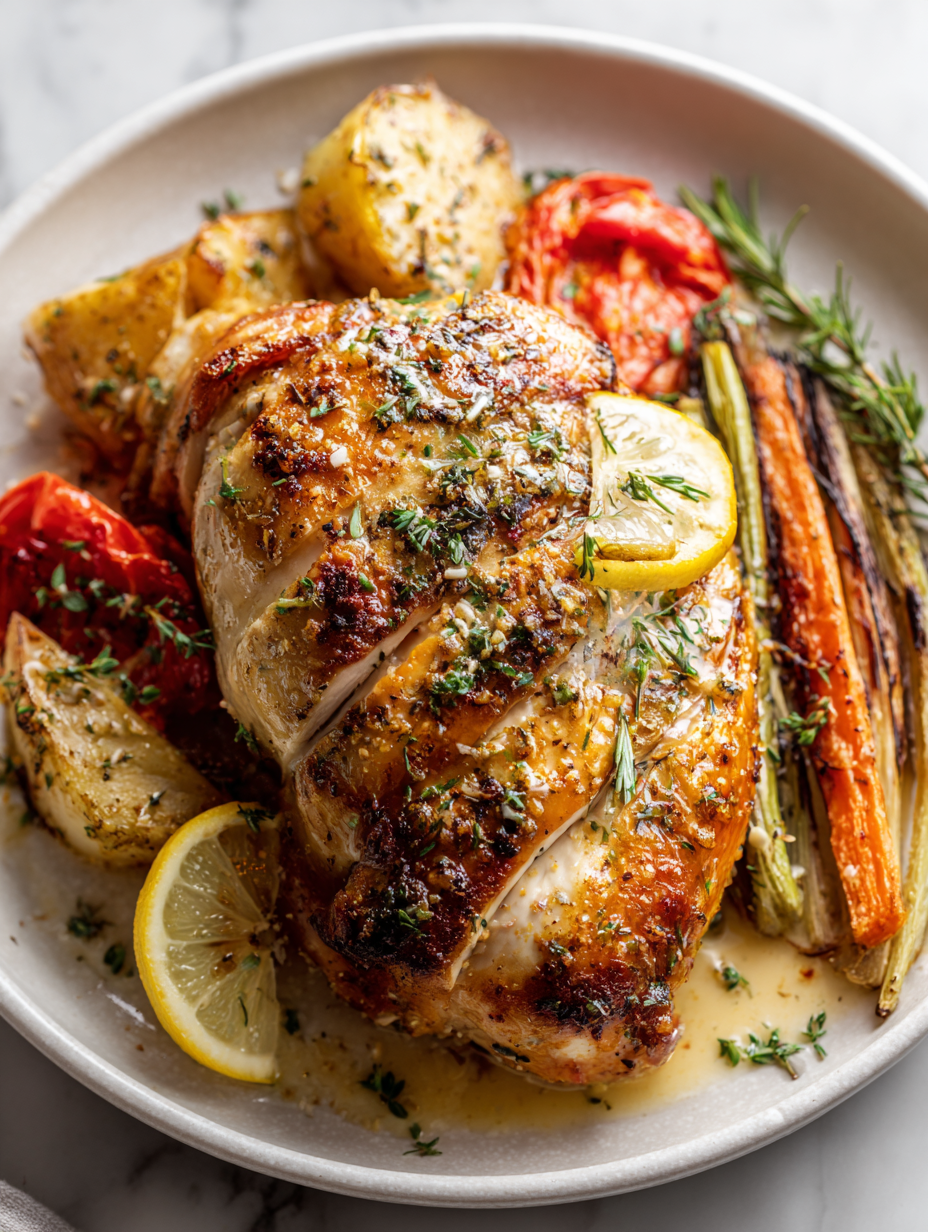
Crispy Skin Chicken Supreme
Ingredients
Equipment
Method
- Pat the chicken thighs thoroughly dry with paper towels to remove excess moisture, which helps achieve crispy skin.
- Generously season both sides of each thigh with salt, pepper, and chopped herbs, then let them sit at room temperature for about 10 minutes to allow the flavors to penetrate.
- Heat your heavy skillet over medium-high heat until shimmering, then add the olive oil, ensuring it coats the bottom evenly.
- Place the chicken thighs skin-side down into the hot skillet. Sear for about 6-8 minutes, pressing down gently with tongs to ensure even contact, until the skin turns deep golden and crispy, listening for a satisfying crackle.
- Flip the thighs carefully using tongs and cook for another 4-5 minutes, until the meat is mostly cooked through and the juices run clear at the edges.
- Add the smashed garlic cloves and a tablespoon of butter to the pan. Tilt the pan slightly and use a spoon to baste the chicken with the melted, fragrant butter for about 1-2 minutes, infusing the meat and skin with flavor.
- Transfer the skillet to your preheated oven at 200°C (392°F) and roast for 8-10 minutes, or until the internal temperature reaches 75°C (165°F). The skin should remain crackly while the meat stays juicy.
- Remove the skillet from the oven, transfer the chicken to a plate, and let rest for 5 minutes. Meanwhile, squeeze fresh lemon juice over the chicken for a bright, tangy finish.
- Drizzle the pan juices over the crispy skin and serve immediately, enjoying the contrast of crackling exterior and tender, flavorful meat.
Notes
Pro tips for crispy Chicken Supreme
- Crispy Skin: Start with a hot pan—listen for that satisfying crackle as the skin hits the oil.
- Pat Dry: Moisture is the enemy of crispness—dry the chicken thoroughly before seasoning and searing.
- Use Butter for Basting: Add butter in the last minutes and spoon over the chicken to build flavor and shine.
- Don’t Overcrowd: Sear in a single layer; overcrowding drops the pan temperature and sogginess creeps in.
- Finish in Oven: Roasting at 200°C (392°F) ensures even cooking and crispy skin—don’t skip this step.
- Rest Properly: Let the chicken sit for 5 minutes after roasting—juices redistribute, keeping it tender.
- Check Temp: Internal temperature of 75°C (165°F) means perfectly cooked, juicy chicken with crispy skin.
Common mistakes and how to fix them
- FORGOT to pat chicken dry before searing → Results in less crispy skin, so dry thoroughly.
- DUMPED the pan drippings too early → Keep some for flavor, or it’ll be bland when served.
- OVER-TORCHED the skin → Reduce heat or watch closely; burnt skin ruins the dish.
- SKIPPED resting time → Rest for 5 minutes to keep juices in and skin crispy.
Quick fixes and pantry swaps
- When skin isn’t crisp enough, splash a little hot oil on the surface to shimmer and crisp.
- If chicken sticks when searing, dump a splash of water—let it steam off then continue.
- Over-torched skin? Patch with a quick sprinkle of fresh herbs and a quick broil to rescue.
- For a five-second rescue, blast the pan with a blow torch to restore that crackle.
- Pan too bland? Pantry swap: use smoked paprika instead of plain salt for smoky depth.
Prep, store, and reheat tips
- You can season the chicken and let it sit uncovered in the fridge for up to 2 hours, which helps dry the skin for extra crispness.
- Cooked chicken Supreme can be stored in an airtight container in the fridge for up to 3 days. The skin may soften slightly, but reheating will restore some crispness.
- Reheat gently in a hot skillet or oven (around 180°C/356°F) for 8-10 minutes, until warmed through and skin is crispy again. Avoid microwaving to preserve texture.
- For freezer storage, wrap the cooked chicken tightly in foil and store for up to 2 months. Thaw in the fridge overnight before reheating.
- Overnight, the flavors will meld slightly, but the skin may lose some crispness. Recrisp in the oven or skillet for best results.
Top questions about Chicken Supreme
1. How do I get crispy skin without burning it?
Searing the chicken skin on high heat until golden and crispy, then finishing in the oven ensures a crackly exterior and juicy inside. Don’t move the chicken too early; let the skin crisp up first.
2. Can I use chicken breasts instead of thighs?
Use bone-in, skin-on thighs for the best flavor and texture. If you prefer leaner, skinless breasts work, but watch the cooking time to avoid dryness.
3. Why isn’t my chicken skin crispy?
Pat the chicken thoroughly dry before seasoning and searing. Moisture prevents crispiness and causes splatters. A brief rest with paper towels helps.
4. How long should I roast the chicken?
Roasting at 200°C (392°F) for 8-10 minutes after searing helps cook the chicken evenly and crisps the skin. Use a meat thermometer to check for 75°C (165°F) inside.
5. Should I let the chicken rest before serving?
Finish the chicken with a squeeze of lemon and a pat of butter in the pan for added brightness and richness. Rest it afterward to keep juices in.
6. Can I prepare this dish in advance?
You can prepare seasoned chicken up to 2 hours ahead, kept uncovered in the fridge. Reheat in a hot skillet or oven to regain crispness.
7. My skin isn’t crispy enough, what now?
If the skin isn’t crisp enough after roasting, broil it for 1-2 minutes, watching carefully to prevent burning. Alternatively, sprinkle with fresh herbs and give a quick torch blast.
8. What tools are best for making Chicken Supreme?
Use a heavy skillet like cast iron for even searing and crisping. Tongs help turn the chicken without tearing the skin, and a meat thermometer ensures perfect doneness.
9. Can I make this dairy-free or lighter?
If you want to make it dairy-free, skip butter and cream; use coconut oil and coconut milk. For a lighter touch, olive oil and lemon complement the flavors well.
10. What makes the key ingredients stand out during cooking?
Key ingredients like chicken thighs and fresh herbs develop a rich, fragrant aroma during cooking. The skin crackles and releases savory smells, making your kitchen inviting with each step.
This dish feels like a little victory every time I make it. The crackling skin and tender meat remind me that simple techniques, when done right, can turn a humble chicken into something special. It’s honest comfort, perfect for cozy nights or when I need a bit of culinary reassurance.
No matter how often I cook this, it always brings a sense of pride—an unpretentious celebration of good ingredients and straightforward skill. Sometimes, that’s exactly what I want from dinner: honest, satisfying, and a little bit rustic.